Why Your Website Gets Traffic But No Clients (And How to Fix It)
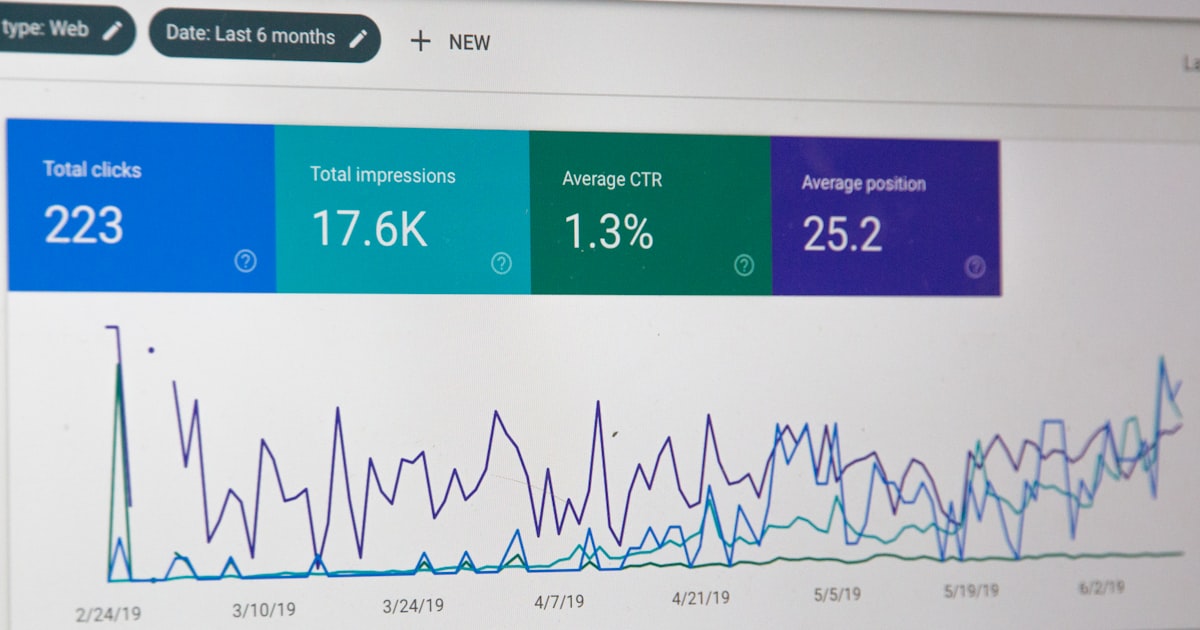
You check the analytics. The traffic is there — hundreds of visitors a month, sometimes more. People are finding the site, clicking around, reading pages. And yet the enquiry form stays quiet. No calls. No leads. Just numbers on a screen that do not translate into revenue. If this is your situation, the problem is almost certainly not your traffic. It is your conversion architecture.
Traffic Without Conversion Is Not a Marketing Problem
Most business owners who face this situation immediately assume they need more traffic. They invest in SEO, run ads, post more on social media — and the same pattern repeats. More visitors, same silence.
The mistake is treating a conversion problem as a traffic problem. They are entirely different issues. A website that does not convert does not need more visitors. It needs to be rebuilt around one question: what happens after someone lands here?
Your website is not converting visitors because somewhere between landing and leaving, there is a breakdown. The visitor either did not understand what you do clearly enough to care, did not find a reason compelling enough to act, or encountered too much friction between interest and enquiry. These are structural failures, not traffic failures.
The Three Most Common Reasons Your Website Is Not Converting Visitors
Your messaging does not pass the eight-second test
A visitor who cannot identify within eight seconds what you do, who it is for, and why it matters will leave. Not because they are disinterested — because your site has not given them a reason to stay.
Look at your homepage headline. Does it name a specific outcome for a specific audience? Or does it say something like “Building Better Businesses” or “Your Growth Partner”? Vague positioning communicates nothing and converts nobody. The headline is not the place for creativity. It is the place for clarity.
There is no clear next action
Every page on your website should move a visitor toward one specific action. The homepage moves them to a service page or a lead capture. The service page moves them to an enquiry. The blog moves them back to a service page or into your email list.
If a page does not have a single, obvious next step — a button, a form, a clear link — it is a dead end. Dead ends do not generate clients. Walk through your site as a first-time visitor right now and count how many pages leave you unsure of what to do next. That number is costing you enquiries every single week.
You have not given visitors a reason to trust you before they act
People do not fill in enquiry forms for businesses they do not trust. Trust is built through specificity — real results with numbers, not testimonials that say “great to work with”. It is built through proof of competence demonstrated through content, not just claimed through credentials. And it is built through removing risk: clear processes, transparent signals on pricing, and evidence that others have made this decision and benefited.
A website with vague case studies and generic testimonials is asking strangers to take a leap of faith. Most will not.
What a High-Converting Website Actually Looks Like
The sites that convert consistently share structural characteristics that have nothing to do with design budget or visual complexity.
The homepage opens with a headline that states an outcome, names an audience, and creates enough tension to scroll. Services are described in terms of results and problems solved — not deliverables and features. Every section leads somewhere. The enquiry path has minimal friction: a short form or a single call-to-action button that is impossible to miss.
Social proof is specific and recent. Not “clients love working with us” — but “this business increased qualified enquiries by 60% within three months of restructuring their site”. Numbers. Context. Outcomes.
And critically, the site is connected to a backend system: an email automation sequence that acknowledges enquiries immediately, sets expectations, and begins qualification before any human has to respond manually. A website without this is leaking leads every day.
The Fastest Way to Diagnose Your Conversion Problem
Before spending anything on additional traffic, run this five-minute audit on your own site.
Land on your homepage as a stranger. Within eight seconds, can you identify exactly what the business does, who it serves, and what outcome it delivers? If you have to scroll or think, your messaging needs work.
Open your most important service page. Is there one clear call to action above the fold? Is the page structured around a problem and a solution, or is it a list of what you offer? If it reads like a menu, it will not convert like a system.
Check your enquiry form. How many fields does it have? How far down the page is it buried? Every unnecessary field and every extra scroll costs you conversions. Simplify ruthlessly.
If any of these three checks reveal a gap, you have found your bottleneck. Structural changes to messaging, page architecture, and call-to-action placement are among the fastest and most cost-effective improvements any business can make — and they cost nothing to test before committing to a rebuild.
Fix the System Before You Scale the Traffic
More traffic flowing into a broken system produces more wasted opportunity. The return on fixing your conversion architecture first — before investing further in SEO, paid ads, or social media — is almost always higher than driving additional visitors to a site that cannot convert them.
Your website should be your most reliable business development asset. For most small businesses, it is an expensive brochure that looks professional while generating nothing. That is a fixable problem. It does not require a full rebuild. It requires a clear-eyed audit of where conversion is breaking down and the structural changes to address it.
Find out exactly where your website is losing clients
We audit websites for growing businesses and identify the specific structural, messaging, and conversion gaps costing you enquiries. If your site is getting traffic but not generating leads, a free audit is the right starting point.