
How to Use AI to Automate Your Business Without Losing the Human Touch
The conversation about AI in business has split into two camps. One side sees it as the solution to every operational problem — automate everything, reduce headcount, maximise efficiency. The other sees it as a threat to genuine human relationships and the quality of service that sets small businesses apart. Both positions miss the point. AI business automation for SMEs is most powerful when it handles the repetitive, the mechanical, and the time-consuming — freeing you to be more present, more responsive, and more human where it actually matters.
The Right Way to Think About AI Automation
Before implementing any AI tool, ask one question: does this task require human judgement, empathy, or creative thinking? If the honest answer is no — if the task is largely pattern-based, repetitive, or involves processing information rather than generating insight — it is a strong candidate for automation.
Responding to a frequently asked question is not a creative act. Sending a follow-up email three days after an enquiry does not require empathy. Scheduling social media posts does not demand human intuition. These tasks consume hours every week and produce no competitive advantage. Automating them does not diminish the human quality of your business. It frees you to direct that quality where it genuinely matters.
The tasks that should remain human are the ones where your clients can tell the difference: discovery calls, bespoke proposals, difficult conversations, creative problem-solving, and relationship-building moments that no automation can replicate credibly.
Four Areas Where AI Automation Delivers Immediate Results for SMEs
Client enquiry and follow-up
The gap between receiving an enquiry and responding to it is where most service businesses lose clients without knowing it. A prospect who submits a form at 11pm and receives nothing until the following afternoon has almost certainly contacted your competitors in the meantime. An AI-powered enquiry response — personalised, relevant, and immediate — acknowledges the contact, sets expectations, and begins qualification before you have had your morning coffee.
Content creation and scheduling
AI tools can produce first drafts of blog posts, social media content, email newsletters, and case studies in minutes. The strategic thinking, the brand voice, and the final edit remain human responsibilities. But the blank page problem — the single biggest barrier to consistent content production — is effectively eliminated. A business owner who previously struggled to produce one blog post per month can now publish weekly without increasing time investment.
Data analysis and reporting
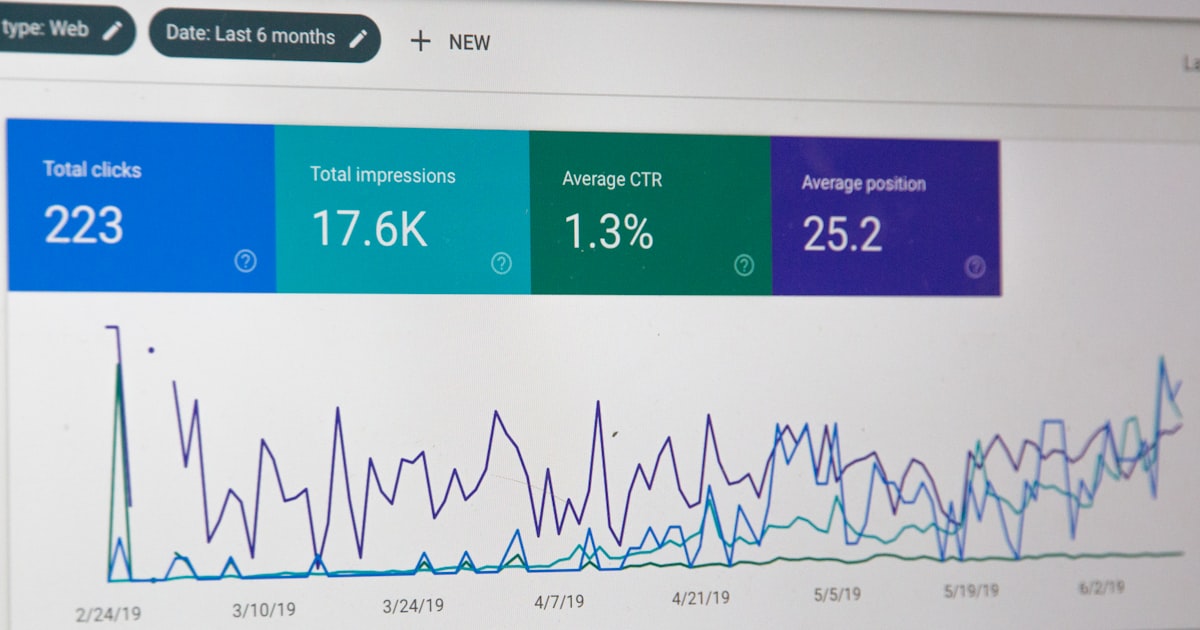
AI business automation for SMEs extends to understanding your own performance data. Tools that analyse website behaviour, email engagement, and social media performance can surface insights in seconds that would previously require hours of manual analysis. Knowing which pages are losing visitors, which email subject lines drive the most opens, and which content types generate the most enquiries allows you to make faster, better decisions.
Administrative and operational tasks
Meeting scheduling, invoice chasing, onboarding documentation, FAQ responses, and CRM data entry are all tasks that consume disproportionate time relative to the value they produce. Each of these can be partially or fully automated using tools available at a fraction of the cost of a part-time employee. The cumulative time saving across a small team is typically eight to fifteen hours per week.
Keeping the Human Element Intact
The businesses that fail at AI implementation are the ones that automate the wrong things. They automate the relationship-critical touchpoints — the initial sales call, the bespoke proposal, the check-in during a live project — and end up with efficient systems that clients find cold and impersonal.
The businesses that succeed are the ones that automate the infrastructure and protect the relationship. The welcome email sequence is automated. The discovery call is not. The social media schedule is automated. The response to a direct message about a specific problem is not. The boundaries are clear: automate processes, protect conversations.
One practical test before automating any client-facing touchpoint: would a client feel better or worse if they knew this was automated? If the answer is worse, keep it human. If the answer is neutral or positive — because speed, consistency, and availability matter more than the source — automate with confidence.
Where to Start
Start with the task that consumes the most time for the least strategic value. For most service businesses this is enquiry follow-up, meeting scheduling, or social media scheduling. Automate one thing properly before moving to the next. Partial automation of multiple processes creates more confusion than it solves.
Once the first automation is running reliably, move to the next highest-leverage opportunity. Build incrementally. Within six months, a systematically automated business typically recaptures enough time to either serve more clients or invest meaningfully in growth activities that were previously impossible to prioritise.
Ready to build an AI automation system for your business?
We design and implement practical AI automation systems for growing businesses — focused on the integrations that save the most time and protect the relationships that matter most.