
How to Build a Social Media Strategy That Actually Generates Leads
Most businesses treat social media as a performance. They post regularly, accumulate followers, track likes, and measure growth in engagement — and then wonder why none of it is producing clients. The problem is not the platform. It is the absence of a strategy built around conversion rather than content. A social media strategy for leads looks fundamentally different from a social media strategy for visibility. This post explains the difference and how to build one that actually works.
Visibility Is Not the Same as Lead Generation
There is a critical distinction between a social media presence and a social media system. A presence posts content and hopes the right people see it. A system is engineered to move specific audiences through a defined journey that ends in an enquiry.
Most businesses have a presence. Very few have a system. The difference shows up in the numbers: consistent posting with no correlation to enquiries versus a structured approach where social content reliably generates qualified leads month after month.
Building a social media strategy for leads requires starting with the end in mind. What action do you want someone to take after seeing your content? Where does that action take them? How does your content qualify the people who take it? These questions must be answered before you create a single post.
Choose Platforms Based on Where Your Clients Are, Not Where You Are Comfortable
The first strategic decision is platform selection. Most businesses spread themselves across every available platform because they feel they should be everywhere. This produces average content on multiple channels instead of excellent content on the one or two that actually matter.
For B2B service businesses, LinkedIn is non-negotiable. Decision-makers, founders, and senior professionals spend significant time there, and organic reach for thoughtful, specific content remains higher than on most other platforms. Instagram works for businesses where visual output or personal brand is central to the offer. Facebook remains effective for community building and targeted local audiences.
Pick the one or two platforms where your ideal clients are most active and go deep. A social media strategy for leads built on one platform executed with consistency and intent will always outperform a diluted presence across five.
Build Content Around Problems, Not Products
The content that generates leads on social media is not content about your services. It is content about your potential clients’ problems, written with enough specificity and insight that they immediately recognise you understand their situation better than anyone else they follow.
Every post should do one of three things: educate your audience on a problem or concept relevant to your offer, demonstrate your expertise through a specific example or result, or challenge a commonly held belief that is keeping your ideal client stuck. Content that does none of these things is unlikely to generate leads regardless of how frequently it is posted.
The ratio that works for most service businesses is roughly 70% education and insight, 20% proof and case studies, and 10% direct invitation to take action. Heavy on value. Light on selling. The sales happen in the DMs and on the calls that result from the trust built through consistent, useful content.
Create a Clear Conversion Path
Content without a conversion path is a dead end. Every piece of content that performs well should point somewhere — a lead magnet, a direct message conversation, a link to a relevant service page, or an invitation to book a call.
This does not mean every post ends with a hard sell. It means every post has a logical next step for a reader who resonates with what they have just read. A post about a common mistake in your clients’ industry ends with: “If you recognise this in your own business, let us know in the comments or send a message — we have a framework for fixing it.” Low friction. High relevance. Clear direction.
Your profile and bio also form part of the conversion path. If someone reads your content, finds it useful, and visits your profile to learn more, they should immediately understand what you do, who you help, and what to do next. A vague bio or a profile that links to a generic homepage kills conversions that your content worked hard to earn.
Measure What Leads, Not What Looks Good
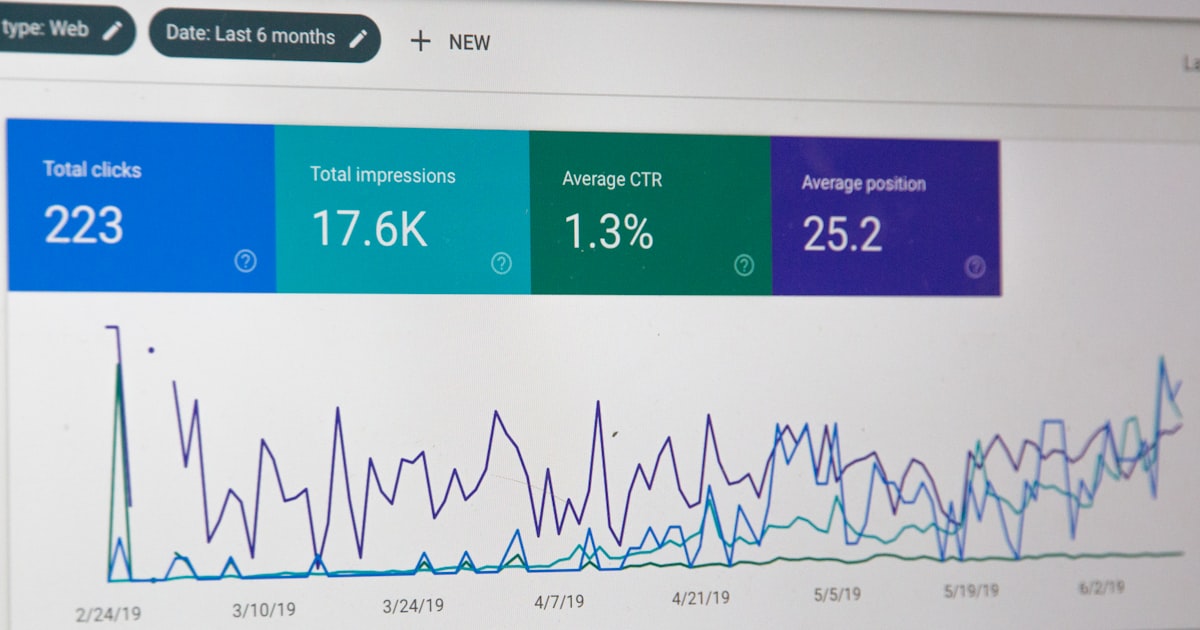
The most important metrics in a social media strategy for leads are not follower count, reach, or likes. They are profile visits, link clicks, DM initiations, and enquiries that cite social media as the source. These are the numbers that tell you whether your strategy is actually working.
Review these numbers monthly, not daily. Social media lead generation is a medium-term play. Consistent execution over three to six months will produce measurable results. Checking daily and changing strategy weekly produces nothing except wasted effort and inconsistent content.
When something works — a post that generates multiple DMs, a piece of content that produces a direct enquiry — analyse why. Replicate the format, the topic, or the angle. Build a content system around what actually moves people, not what you think should work.
Want a social media strategy that generates real enquiries?
We build social media systems for service businesses focused on lead generation, not vanity metrics. If your current approach is not producing clients, we should talk.